

HOW TO CHOOSE MATERIALS FOR A HIGH-END KITCHEN
In a high-end kitchen, materials are never chosen solely for their appearance.
They influence the light, the perception of volumes, the comfort of use and the way the space will age over the years. Long before colours or decorative details, it is the materials that give a project its character.
Choosing the right materials is therefore less about following a trend than about creating a lasting coherence between the architecture of the place, the lifestyle of its occupants and the desired atmosphere.
Start with the atmosphere rather than the materials
Before even comparing wood, stone or lacquer, it is useful to ask yourself a fundamental question:
What do you want to feel in this space?
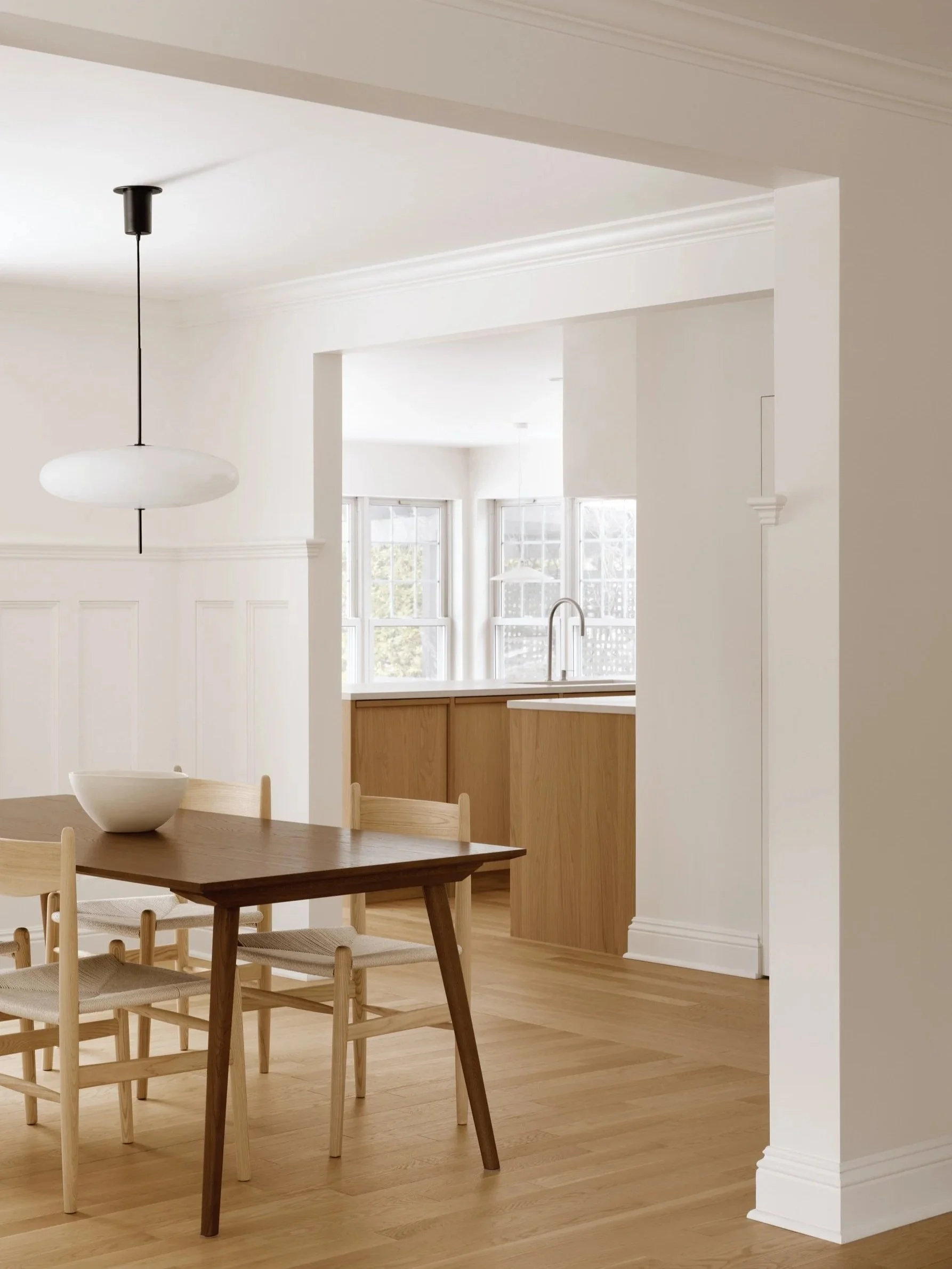
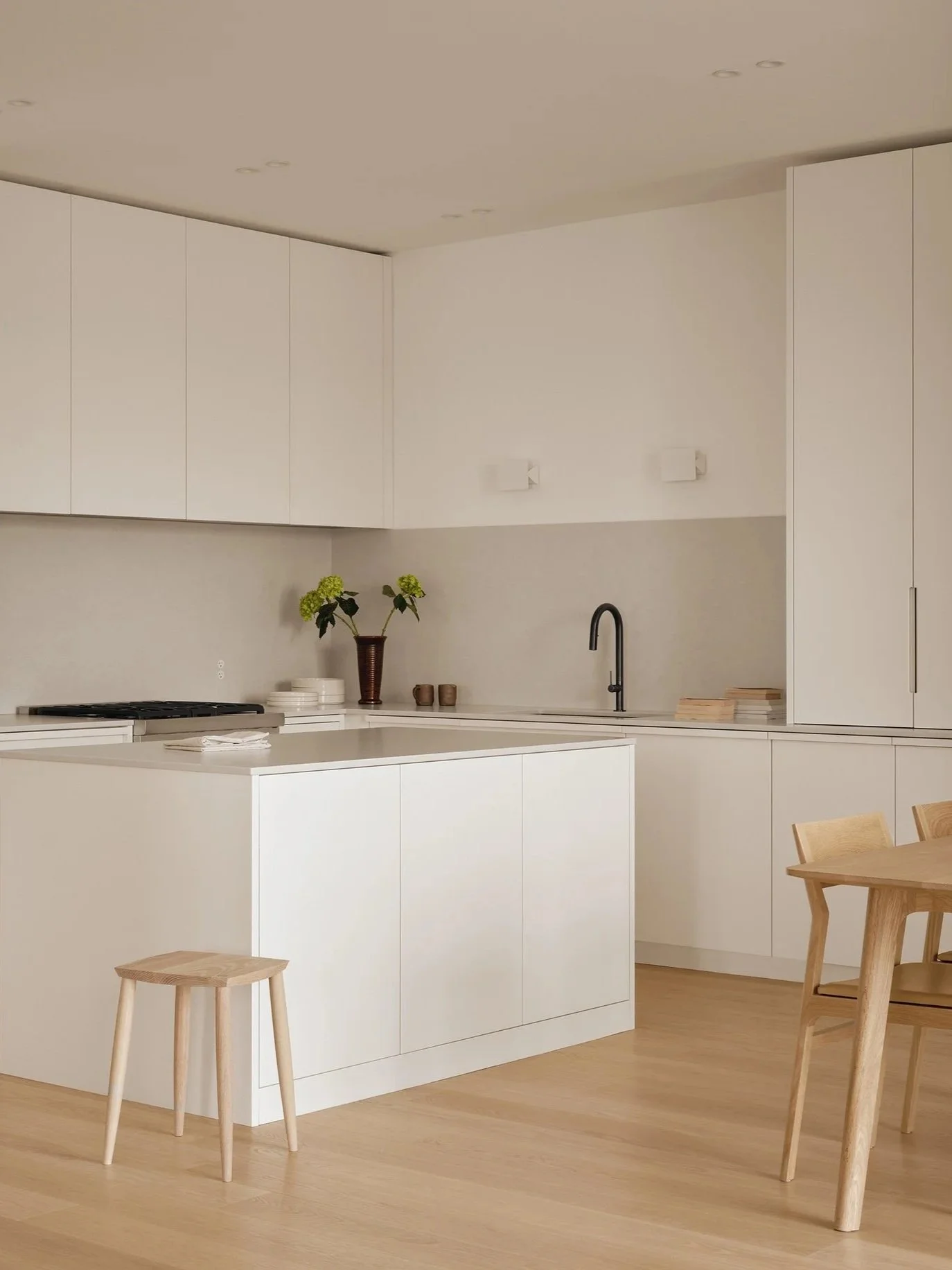
A bright and soothing interior will not require the same materials as a more enveloping, contrasting or architectural kitchen.
The materials then become tools in the service of an overall intention.
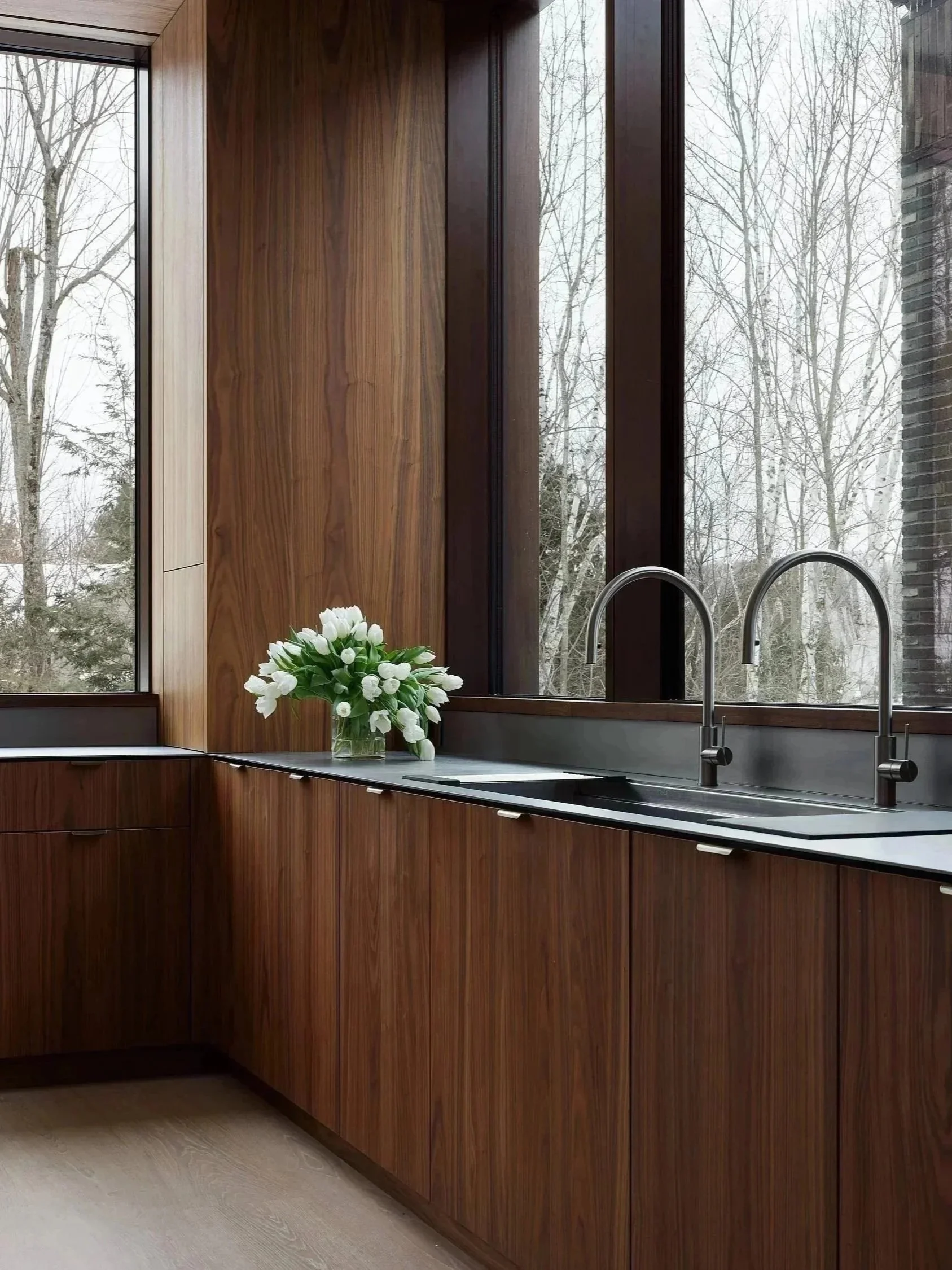
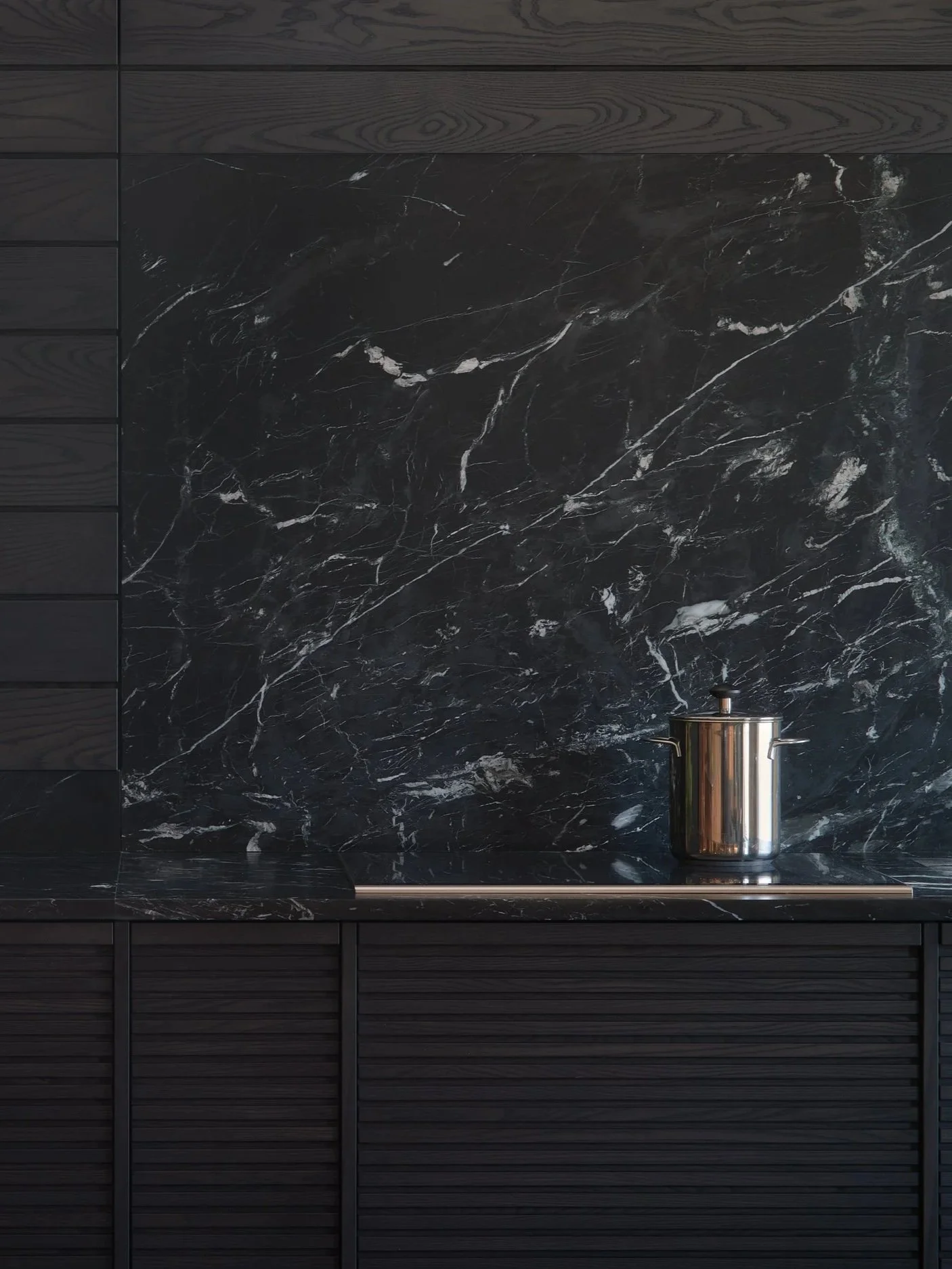
White oak, for example, will bring softness and luminosity. Walnut will create more depth and warmth. A textured natural stone will introduce a more organic presence, while a lacquered surface will contribute to a more refined reading of the space.
Wood: a living and timeless material
Few materials stand the test of time as elegantly as wood.
Its texture, grain and natural variations create a visual richness that is impossible to reproduce artificially. Well integrated, it brings warmth and balance to a contemporary kitchen.
However, the choice of wood species, dye and level of finish strongly influences the final result, as does the work done in the workshop to reveal and preserve these materials.
To explore this topic further, also check out our article → Staining and respecting the wood grain.
Stone: light, texture and character
Mineral surfaces play a central role in the perception of a kitchen.
Whether quartz, natural stone or contemporary technical materials, they contribute to the reflection of light and the definition of volumes.
Beyond the resistance, their texture, visual depth and natural nuances contribute greatly to the identity of the project.
To go further, see our article
→ Kitchen countertop: how to make the right choice?
The perception of a natural stone varies considerably depending on the light that accompanies it. To learn more about this subject, read our article
Lacquered surfaces: sobriety and precision
In some projects, lacquer provides remarkable visual continuity.
Its uniform finish promotes a more minimalist reading of the space and fits particularly well with contemporary architecture.
However, the choice of finish — matte, satin or glossy — has a significant influence on the overall atmosphere and how light interacts with surfaces.
You can also read our article → Lacquer and its finishing possibilities.
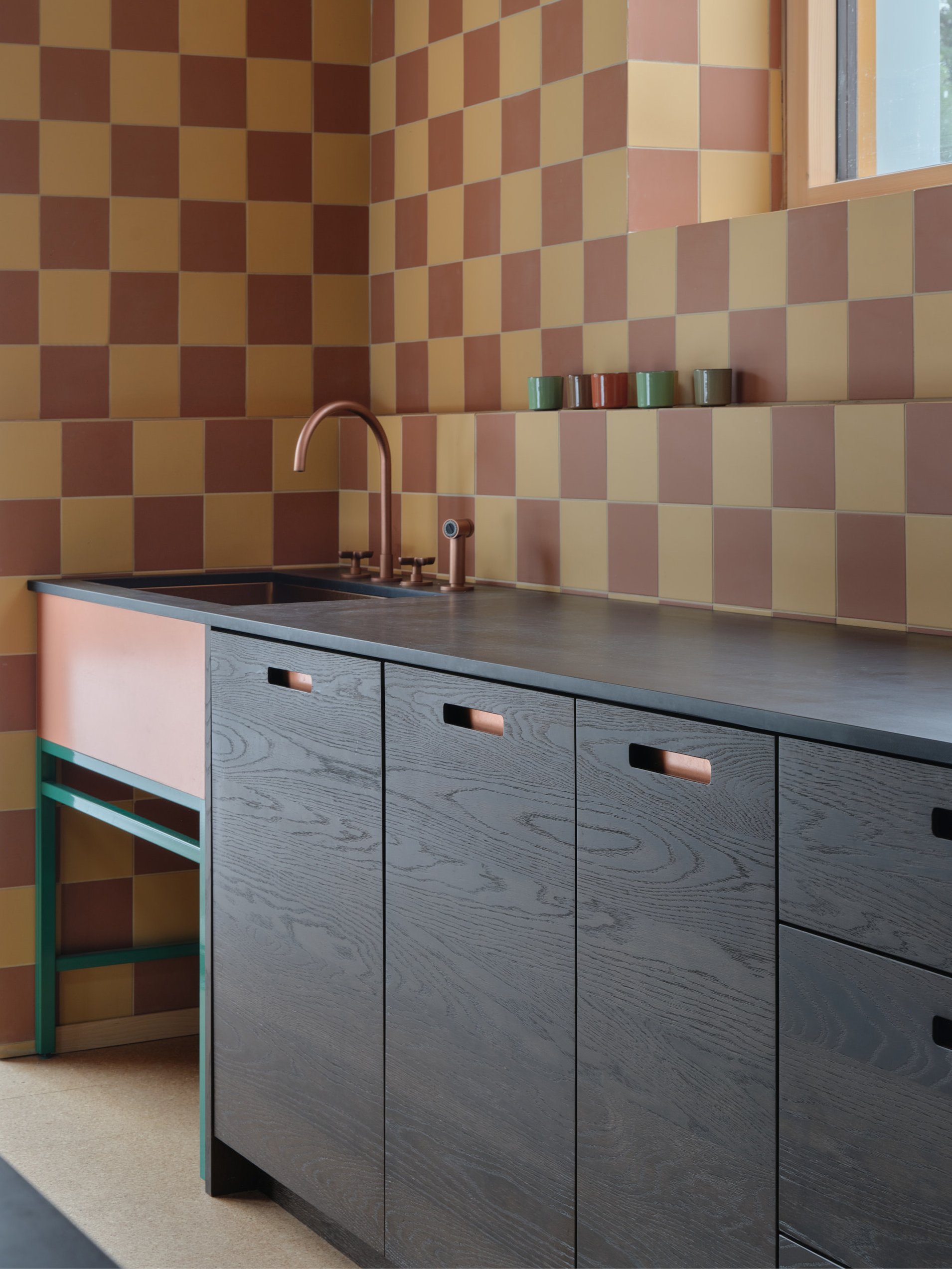
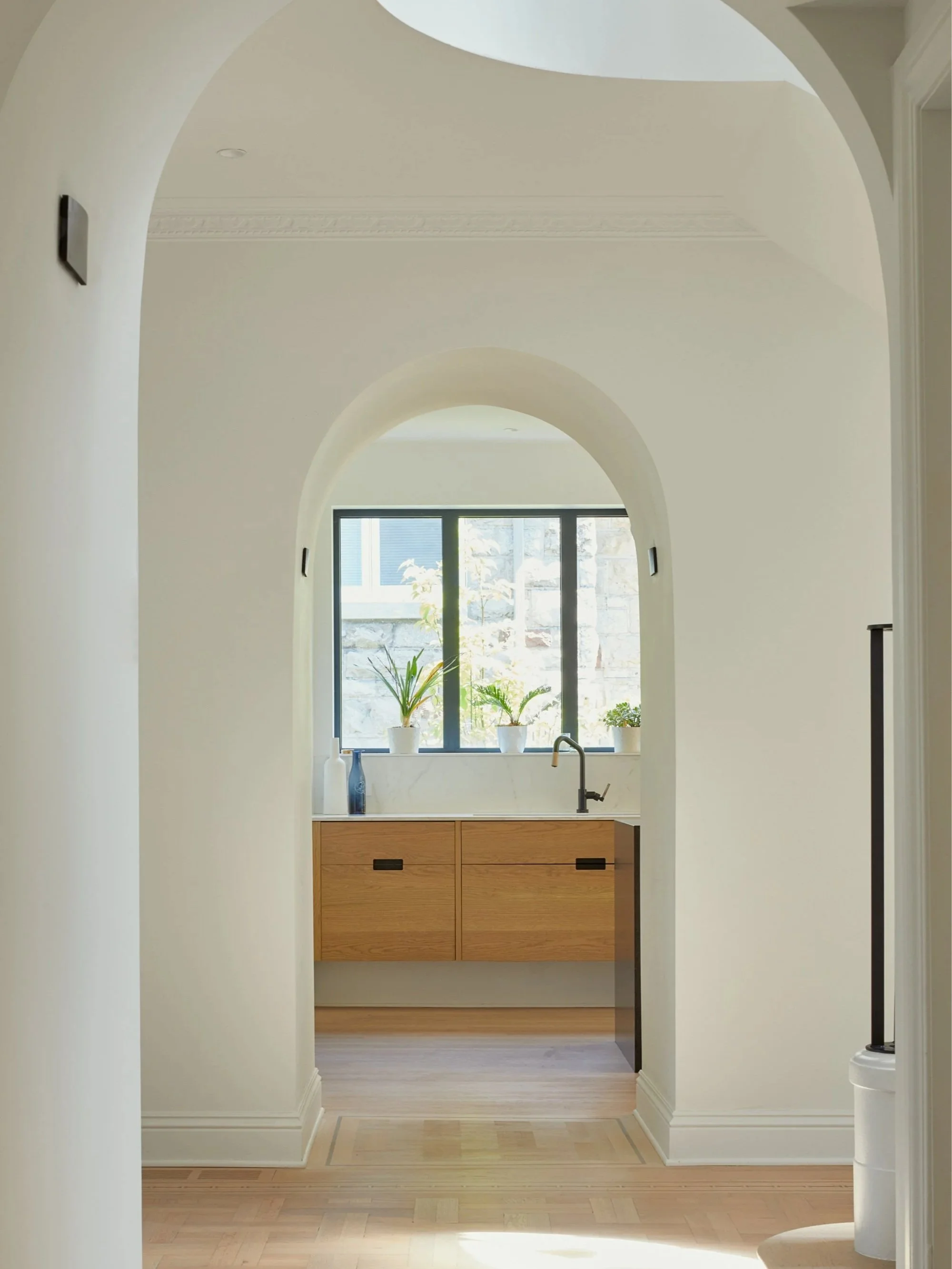
The often underestimated role of the backsplash
The backsplash is rarely just a functional element.
It acts as a transition between the different materials of the kitchen and strongly participates in the visual balance of the whole.
Depending on its texture, colour or format, it can either fade away discreetly or become an architectural element in its own right.
Our article→ Between lines and materials: the language of the backsplash explores this subject in more detail.
Consistency above all
A high-end kitchen is not based on the accumulation of noble materials.
It is based on their coherence.
The most successful projects are often those where each subject dialogues naturally with the others, where contrasts are mastered and where choices remain relevant several years after their completion.
In the end, choosing the materials for a kitchen is less about selecting products than about building a sustainable atmosphere, capable of accompanying everyday life with elegance.
Frequently asked questions
What are the best materials for a high-end kitchen?
The best materials are those that meet both the functional needs of the project and the desired atmosphere. Wood, natural stone, quartz, and some lacquered finishes are some of the most durable and timeless choices.
How to choose between quartz and natural stone?
The choice depends as much on the desired aesthetic as on lifestyle habits. Quartz offers great uniformity while natural stone is distinguished by its uniqueness and natural variations.
Are dark materials more difficult to integrate?
Not necessarily. Well balanced with the light and other materials present in the space, they can create warm, sophisticated and timeless atmospheres.
Designing a kitchen means structuring a space.
Explore our achievements and our approach to high-end cuisine in Montreal.
