

HOW TO THINK ABOUT LIGHTING A CONTEMPORARY KITCHEN
In a contemporary kitchen, light is not only used to illuminate.
It reveals materials, balances volumes and profoundly influences the way a space is experienced on a daily basis.
When it is thought out from the design stage, it becomes a silent component of architecture.
Almost invisible, but essential.
In projects open to living spaces, lighting contributes as much to the atmosphere as to functionality.
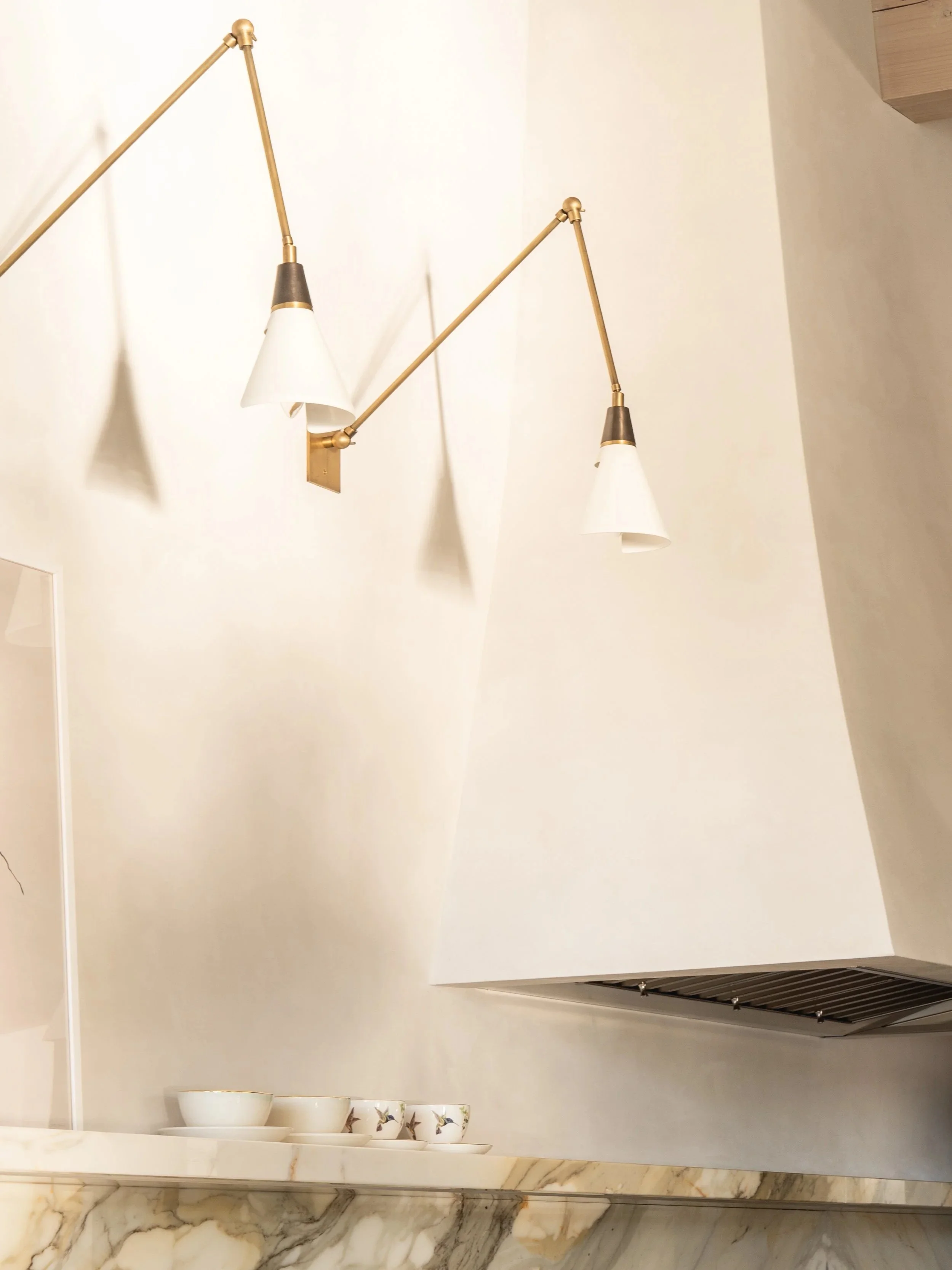
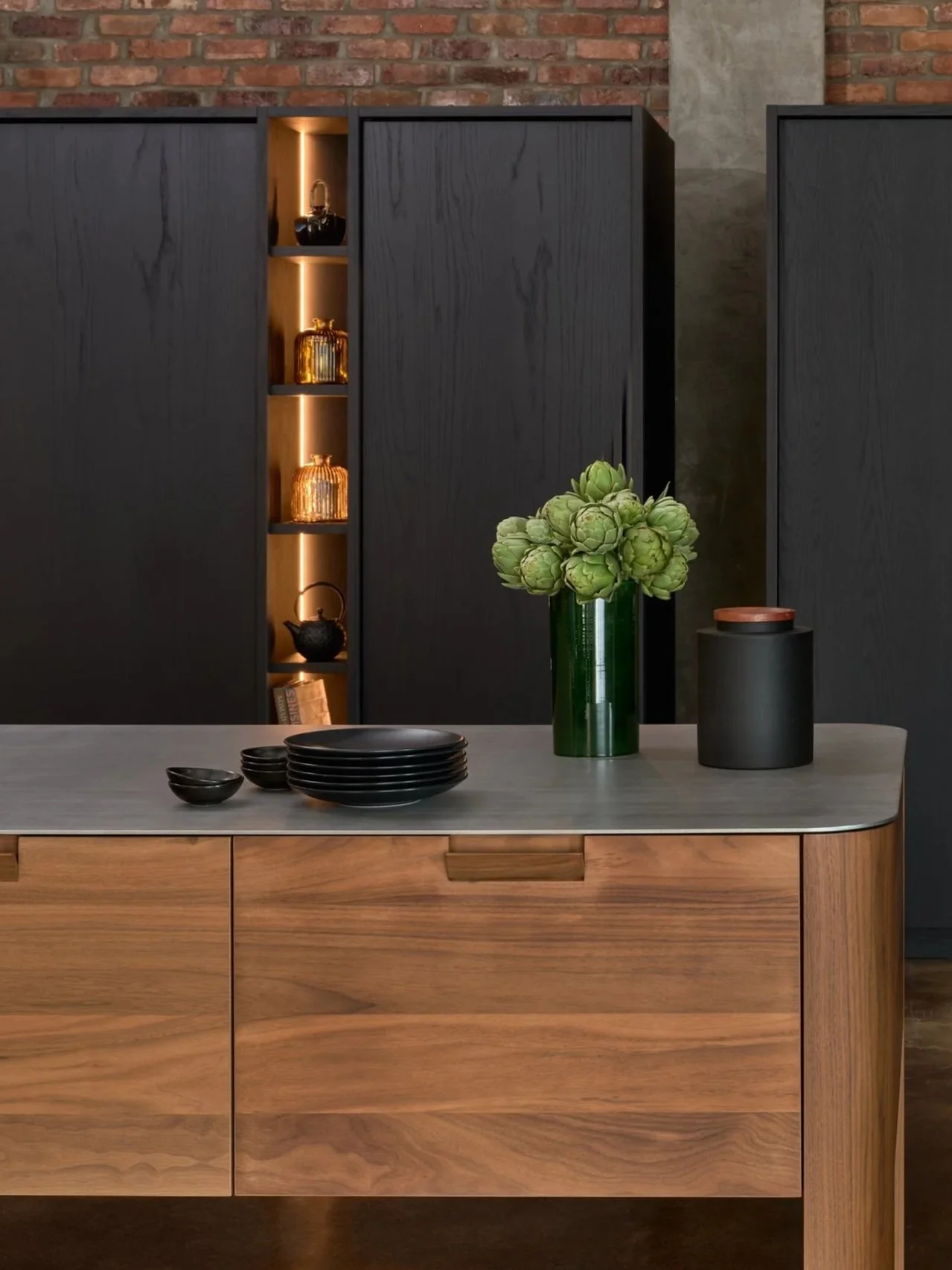
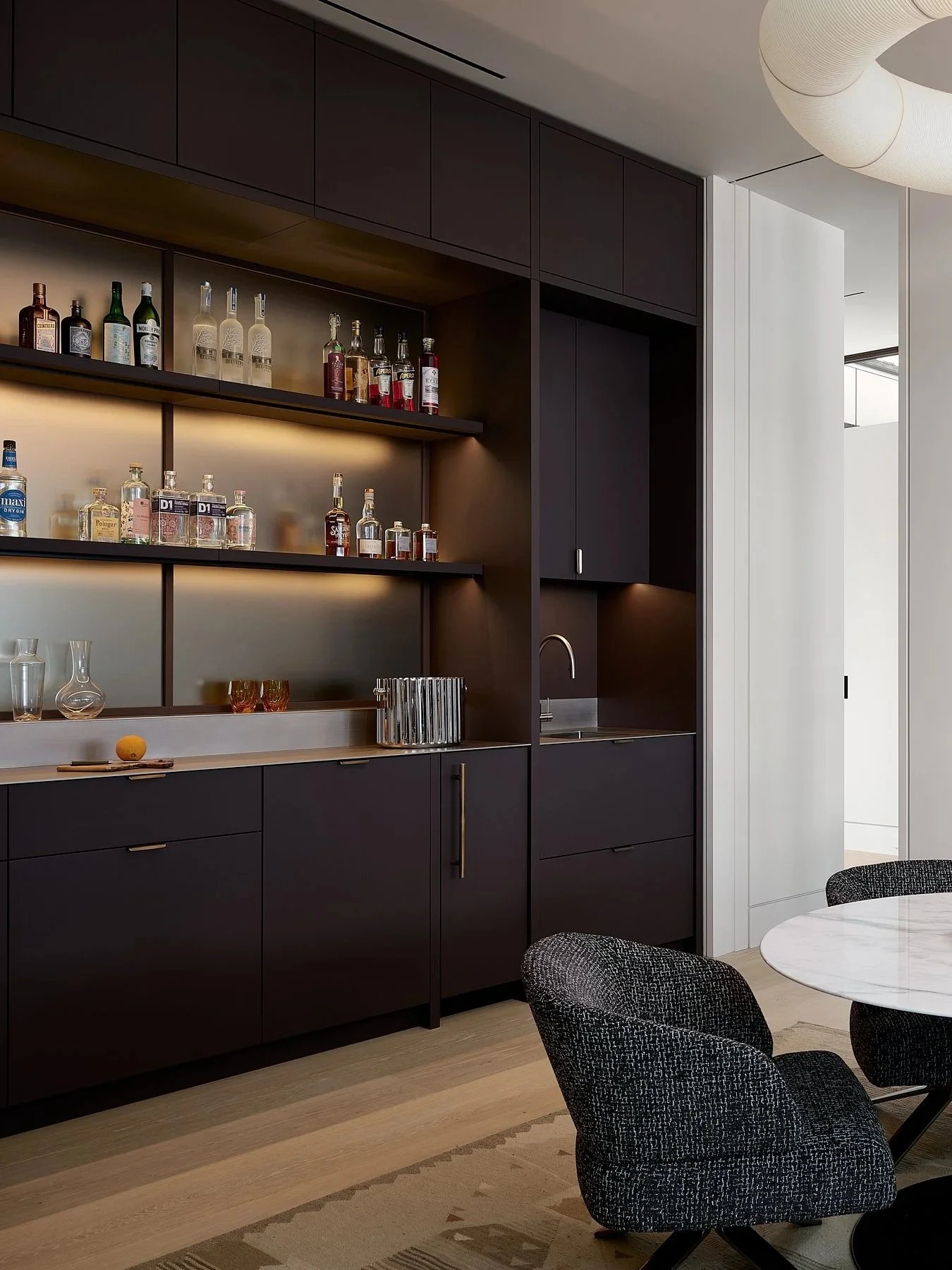
Light as the structure of space
Good lighting doesn't seek attention.
It accompanies use, naturally guides the eye and creates a feeling of balance in the space.
In a contemporary kitchen, light can:
Accentuate a perspective
lighten certain volumes
Highlight a texture
Create quieter or friendlier areas
The objective is not to shed more light, but to illuminate accurately.
The most coherent spaces are often those where light simply seems to be part of the architecture.
In open kitchens, light contributes directly to the continuity with the living spaces.
→ Explore: The bench seat, to optimize space
Thinking about light from the very first steps
Lighting is an integral part of the design of a high-end kitchen. This consideration begins from the very first sketches of the project.
→ Explore: How to design a custom, high-end kitchen
Circulation, openings, ceiling heights, materials and the overall layout have a direct influence on how light will be perceived.
In an open kitchen, this thinking becomes even more important:
The light must create a natural continuity with the other spaces of the house.
A kitchen that is too bright or too even can quickly lose its heat.
Conversely, more subtle contrasts can create more calming and long-lasting spaces.
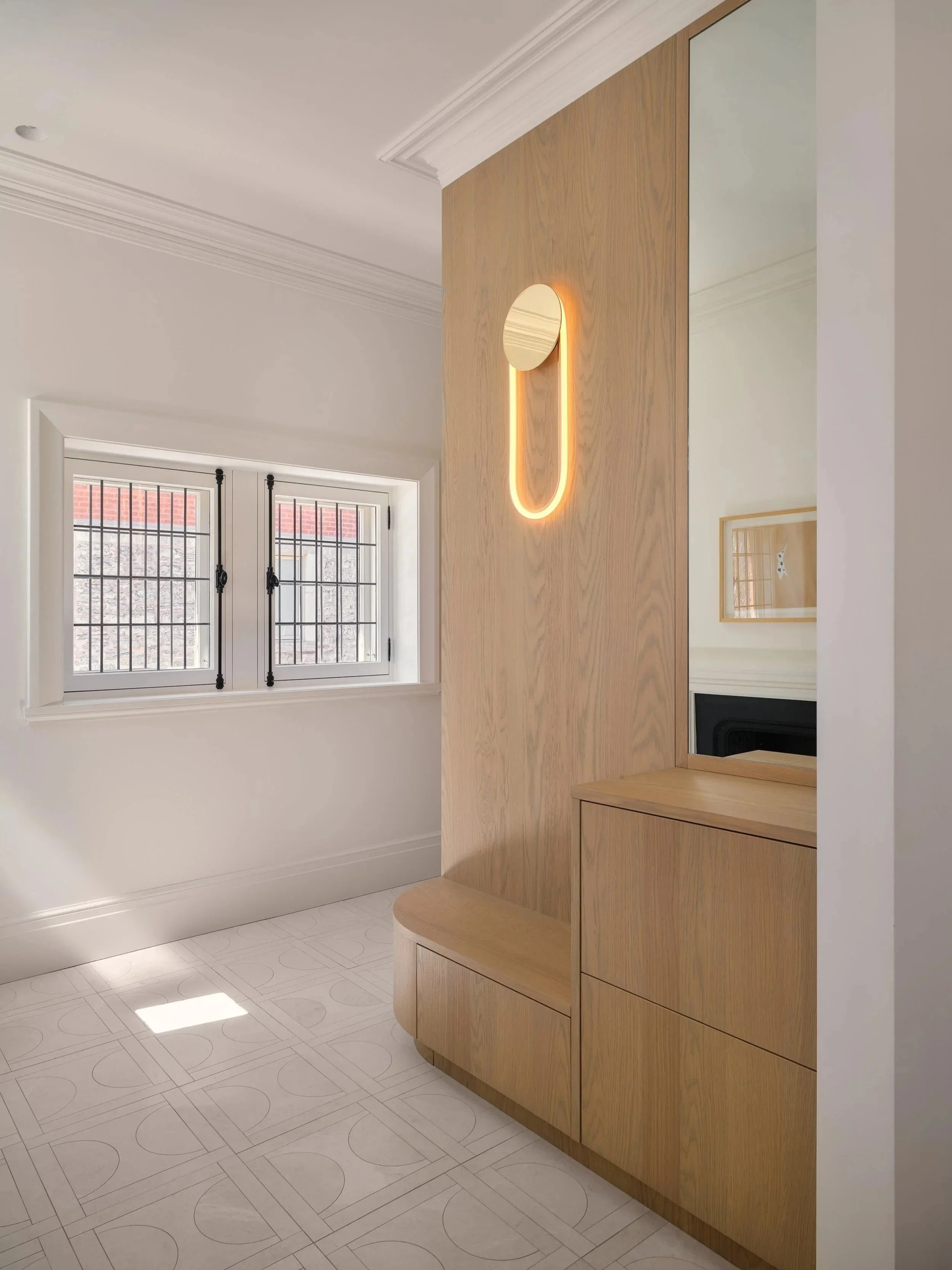

Light reveals materials
Wood, natural stone, matte finishes or textured surfaces all react differently to light.
A dark walnut will absorb more light and create a more subdued atmosphere.
A pale stone will reflect light more softly and magnify the perception of space.
These details sometimes seem imperceptible, but it is precisely these small decisions that distinguish a truly high-end cuisine.
→ Read also: Small decisions that reveal expertise
In contemporary kitchens, light acts as an extension of the material:
It reveals depths, textures and natural variations without creating a demonstrative effect.
The perception of wood, stone or matte finishes varies greatly depending on natural and artificial light.
→ Read also: Dyeing: a know-how that respects the grain of the wood
Avoiding the showroom effect
The most timeless spaces usually favor calm and integrated light.
→ The principles of a timeless contemporary kitchen.
Lighting that is too cold, too visible, or too theatrical can quickly give an artificial impression.
In a kitchen designed to be inhabited on a daily basis, balance is often more important than effect.
Lighting should accompany:
Gestures
Moments of gathering
Natural variations of the day
The pace of life in the house
This approach creates spaces that are warmer, more coherent and more sustainable over time.
In minimalist spaces, restraint often creates a more sustainable and warm atmosphere.
→ Read also:The invisible door: discreet elegance
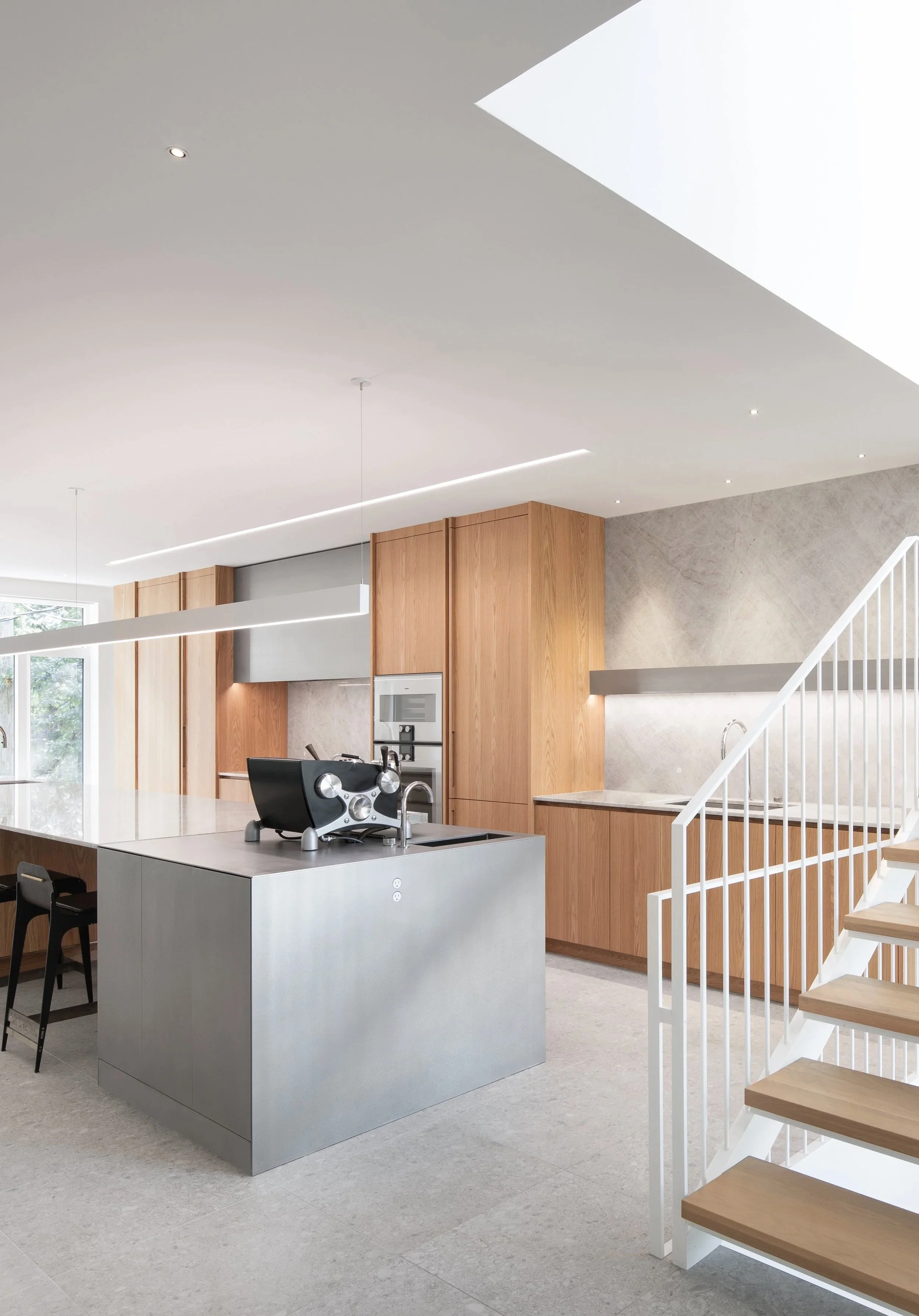
Create a layered atmosphere
In contemporary kitchens, several light sources usually coexist.
Soft ambient light can coexist with:
More precise functional lighting
Indirect accents
lighting integrated into the furniture
Deliberately more subdued areas
This layering brings depth to the space and avoids the uniform effect often associated with overly technical lighting.
The light then becomes more sensitive, more nuanced and more architectural.
Indirect lighting integrated into the furniture often makes it possible to create more sober and architectural atmospheres.
→ Explore: The Golden Rules of Lighting in the Kitchen
When technology supports experience
This way of designing projects is an integral part of our approach.
The positioning of the luminaires, the independent circuits, the degrees Kelvin or the integration of the light strips directly influence the quality of the final space.
For a more technical approach to lighting planning, you can also check out:
→ The Golden Rules of Lighting in the Kitchen
Light silently influences the way we inhabit a space.
When thought out with consistency, it contributes as much to the functionality as to the atmosphere of a contemporary kitchen.
Like materials or proportions, it helps to create spaces that stand the test of time.
Light reveals materials and influences how they are perceived on a daily basis. To learn more about this topic, see our guide on how to choose materials for a high-end kitchen .
Designing a kitchen means structuring a space.
Explore our achievements and our approach to high-end cuisine in Montreal.
Frequently asked questions
What is the best lighting for a contemporary kitchen?
Balanced lighting usually combines ambient light, functional lighting and more subtle accents to create a cohesive and comfortable atmosphere.
Why integrate lighting into the design of a kitchen?
Lighting has a direct influence on the perception of volumes, materials and circulation in the space. Early thinking allows for a more harmonious and discreet integration.
How to make a modern kitchen warmer?
The combination of natural materials, soft contrasts and well-calibrated lighting creates a warmer and more timeless ambience.
